Speaker
Main Stages

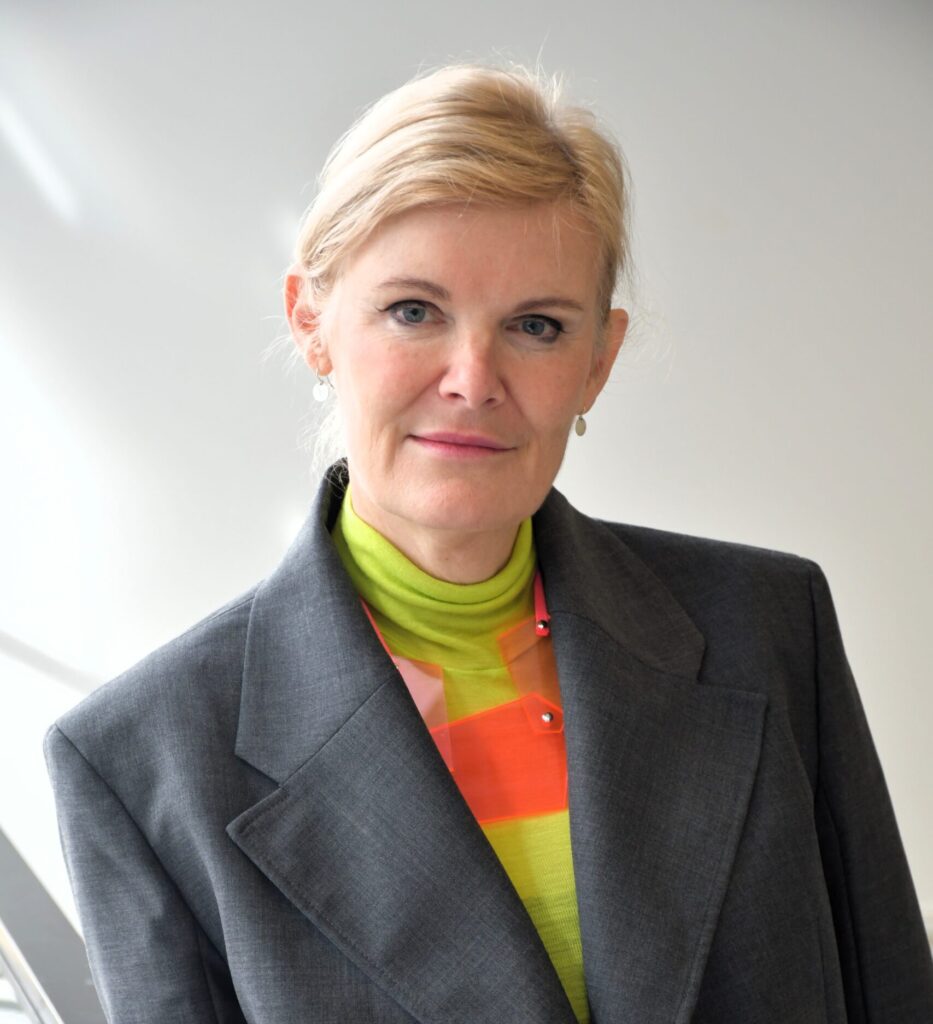
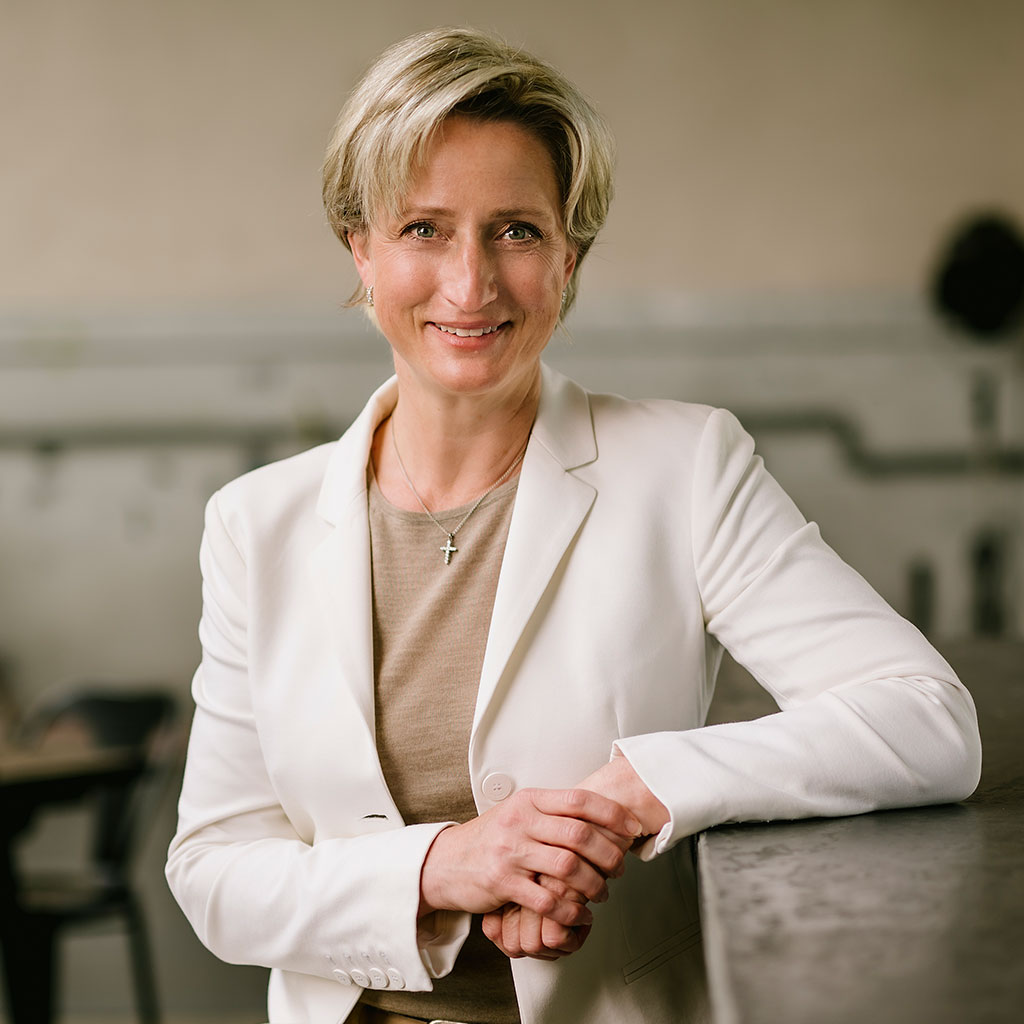
Dr. Nicole Hoffmeister-Kraut was born in Balingen in 1972. After graduating from the Balingen secondary school, she studied business administration at the University of Tübingen and in 2001, the business graduate earned her doctorate at the University of Würzburg.

Dr. Hoffmeister-Kraut started her career in London at the investment bank Morgan Stanley. This was followed by a position as Analyst at Ernst & Young in London and Frankfurt. Since 1998, she has been a partner of the Bizerba SE & Co. KG, with headquarters in Balingen. She was a Member of the Supervisory Board from 2014 until her appointment as Minister in May 2016.

Dr. Nicole Hoffmeister-Kraut is also active in the executive committee of the German Protestant Church Congress, in the friends‘ association and parents‘ council of various Balingen schools as well as in the Board of Trustees of the Zollernalb Psychiatry Foundation.

She has been a member of the Baden-Württemberg Landtag (regional parliament) since May 2016 and on 12 May 2016, Dr. Nicole Hoffmeister-Kraut was appointed Minister of Economic Affairs, Labour and Housing of the State of Baden-Württemberg. On 12 May 2021, Hoffmeister-Kraut was appointed Minister of Economic Affairs, Labour and Tourism of the State of Baden-Württemberg.

Until May 2016, she was also member of the Balingen City Council and the Zollernalbkreis County Council.

Dr. Nicole Hoffmeister-Kraut is married and has three daughters.
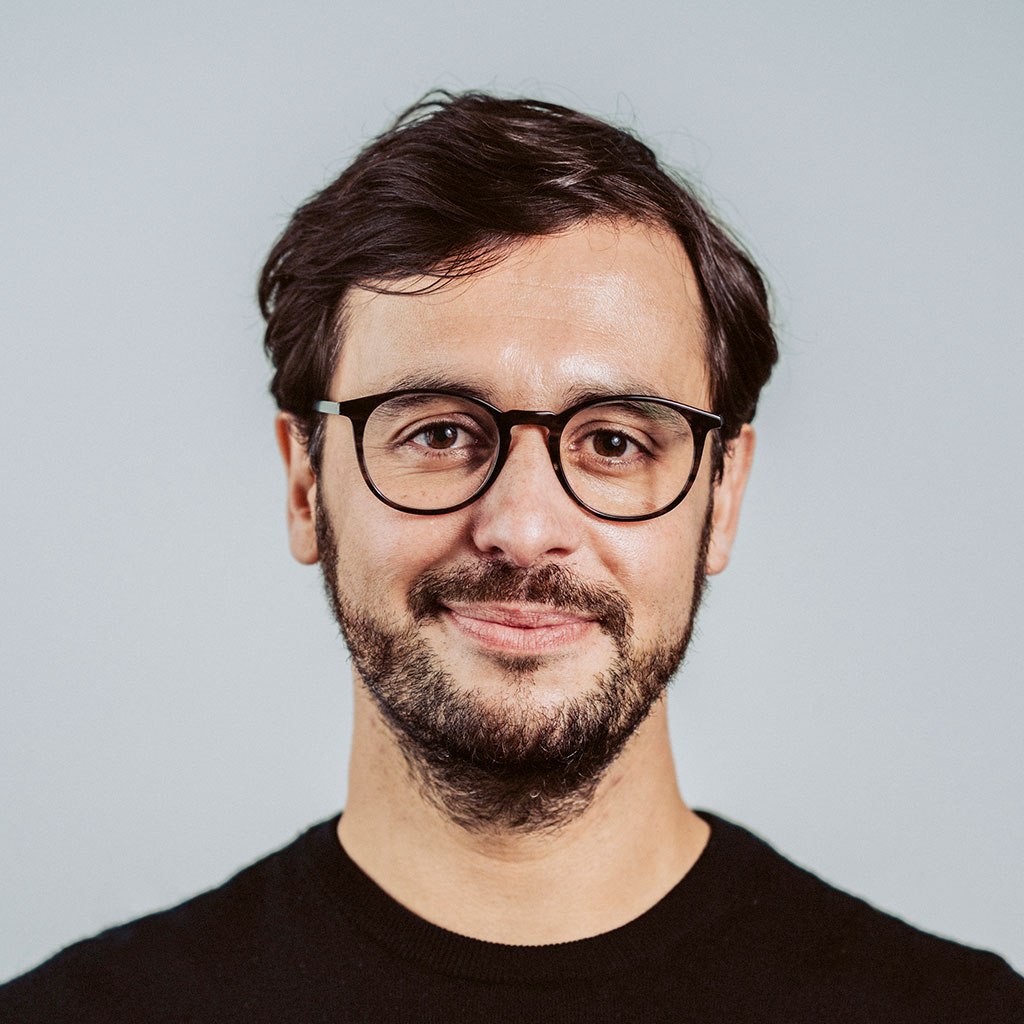
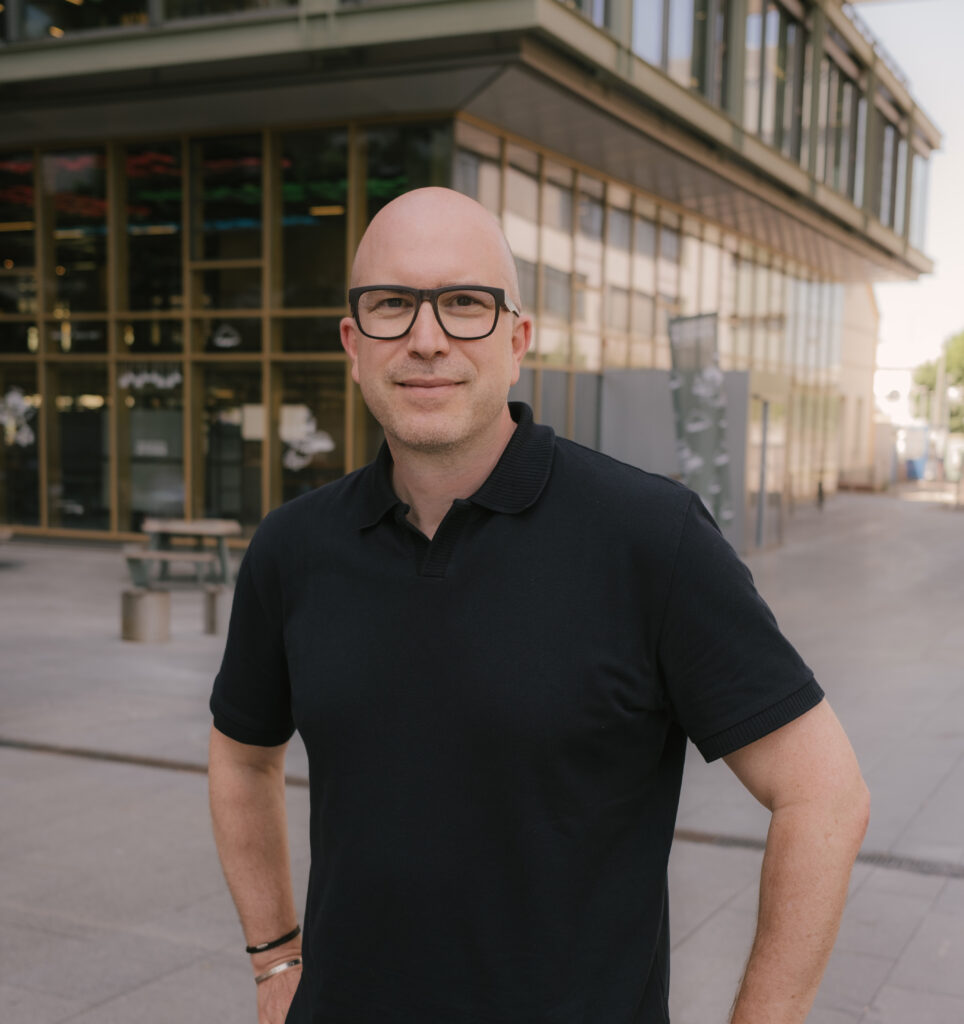
As CEO of IPAI, Moritz Gräter is responsible for one of Europe’s most ambitious innovation ecosystems, with the goal of translating Artificial Intelligence into real-world applications.

From 2015 to 2019, Moritz Gräter served as Managing Director of the innovation platform CODE_n.

Between 2019 and 2022, he led the innovation portfolio of DEKRA DIGITAL as Vice President Innovation & Digitalization. He is also active as a mentor and advisor for startups, including serving on the Advisory Board of instagrid from 2020 to 2023.

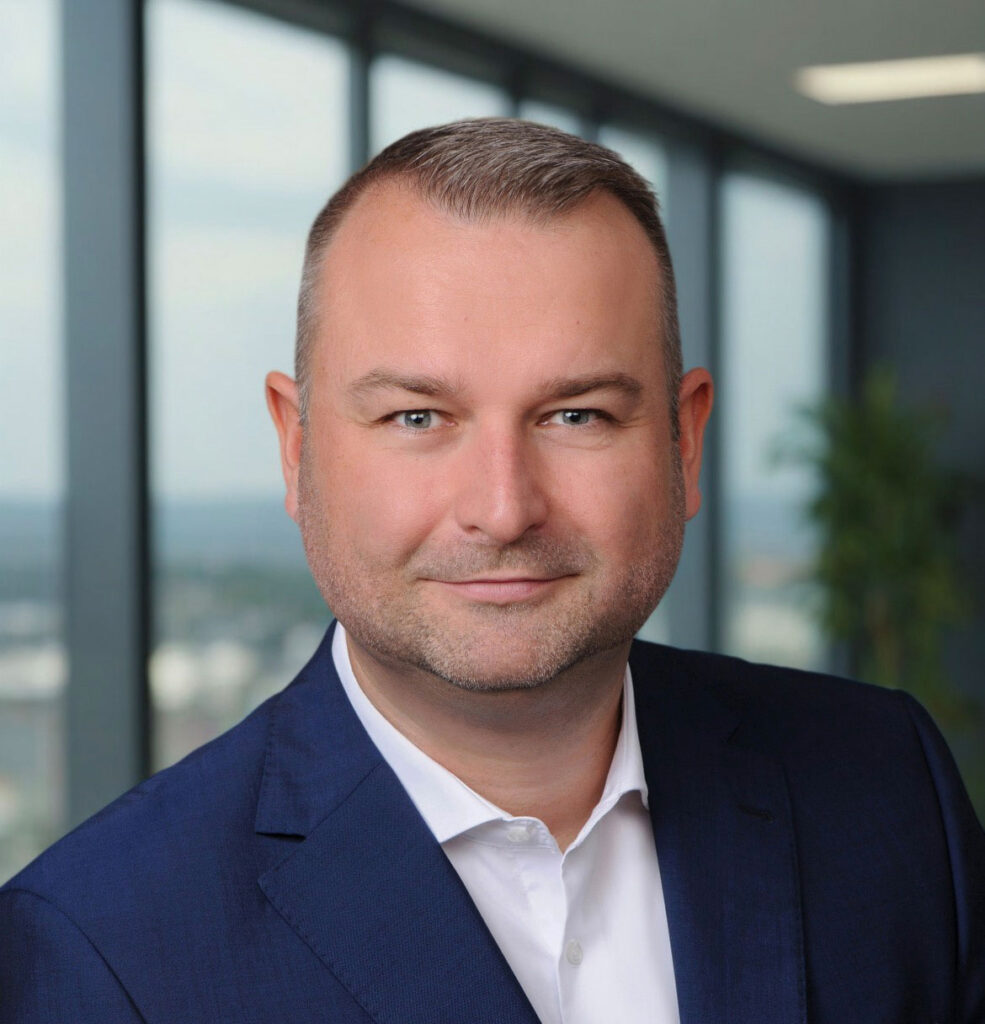
Dr. Klaus Michel is Managing Director at Airbus Defence and Space GmbH.

Since joining Airbus in 2019, Klaus Michel has held a variety of leadership positions. In these roles, he has been responsible for marketing, sales and portfolio management.

Klaus Michel holds a PhD in Electrical Engineering with a specialization in optoelectronics from the University of Rostock.

Reinhold R. Geilsdörfer, born in 1950, completed an apprenticeship as a car mechanic before he began studying physics and mechanical engineering at the University of Stuttgart (graduated in 1976 with a degree in mechanical engineering). He then worked as an engineer at the University of Stuttgart and worked for the Ministry of Labor, Health and Welfare. In 1981 Reinhold R. Geilsdörfer was appointed professor at the Mosbach University of Cooperative Education (later DHBW Mosbach), where he held the post of Rector of the DHBW Mosbach from 2005 onwards. From 2007 to 2011, he was also Chairman of the Rectors‘ Conference of the DHBW. In 2011, Reinhold R. Geilsdörfer held the post of President of the Baden-Württemberg Cooperative State University. He has been Senior Director of the Dieter Schwarz Stiftung since 2016 and is responsible for the science department.

Chemical engineer, founder, investor: obsessed with scaling breakthrough technology. Alina’s career has spanned three chapters. Since August 2026, Alina has been a Principal at Earlybird Venture Capital, focused on deep tech investing across Europe.
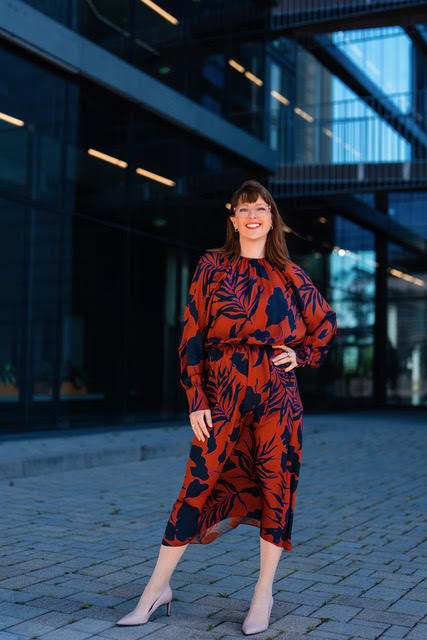
Before venture, she trained as a chemical engineer, designing offshore and onshore oil and gas facilities, engineering industrial plants at ThyssenKrupp from petrochemicals to pyrolysis, and then joining bio-bean to build the world’s first biorefinery converting coffee waste into solid and liquid biofuels.
She then moved into entrepreneurship, founding Kleiderly, a startup focused on a patented technology turning textile waste into a plastic alternative, and co-founding Founderland, a non-profit community of over 1,000 women of colour founders/investors/partners across Europe, backed by Google.org. Her work has been recognised by Forbes 30 Under 30 and the Obama Foundation.
Her conviction: Europe has the science and the talent to lead the next industrial frontier. Venture is the fastest way to get there.

Dr. Günter Koch is the Global Solution Lead Private and Physical AI at DXC. He is heading up an international team of specialized solution architects responsible for the offerings “Secure Sovereign AI” and “Physical AI”. Earlier the focus was on „Robotic Drive”, the solution for DXC’s Autonomous Driving Platform and Toolkit. He holds a doctorate in nuclear physics research having worked in overseas assignments at the UBC in Vancouver, Canada. He is a highly experienced data scientist with qualifications from Johns Hopkins University. Günter is focused on both technical innovation covering now also High-Performance and Quantum Computing, as well as cost-effective delivery.

Marielle Ehrmann is SAP’s Chief Security Officer leading the SAP Global Security and Cloud Compliance Organization and is a member of SAP’s Supervisory Board.

As Chief Security Officer, Marielle oversees product security, cybersecurity, and physical security, as well as global security risk management, AI Governance and regulatory compliance at SAP.

Michael Windig is the Technical Director of imec Germany and Director of the Advanced Chip Design Accelerator (ACDA) program in Baden-Württemberg. With over 25 years of experience in the automotive and semiconductor industries, he and the imec Germany team are bridging the gap between research and industrialization, particularly in the field of chiplet integration for autonomous edge applications.
Oliver Barthelmann-Dier is a Principal Scientist at Carl Zeiss SMT. He studied Electrical and Information Engineering at TU Munich and earned his PhD at the Walter Schottky Institute, TU Munich, on vertically emitting laser diodes. For 18 years, he is focused on the technical architectures of fabrication processes for EUV optics, including their data management. As a Principal Scientist, he was responsible for the roadmap for the development of these processes.

Bernhard Pflugfelder is Senior Director for Digitalization & AI at Rohde & Schwarz, where he leads the company’s central AI technology and enablement hub. His work focuses on making AI useful across the organization by building capabilities, supporting teams, and turning relevant technologies into practical applications.

Previously, he was Head of Generative AI at appliedAI Initiative GmbH, helping organizations understand and apply generative AI effectively. Before that, at BMW Group, he founded and led an NLP/AI team, worked on AI solutions across the company, and contributed to BMW’s AI strategy.

Bernhard has more than 15 years of experience in Data and AI technologies across industries. He combines technical depth with experience in building expert teams and bringing AI into real-world products and processes.

Martin Speer is an author, consultant, and economist. He is part of the HERR & SPEER writing team and a HeForShe ambassador for UN Women Germany. Together with Vincent-Immanuel Herr, he has published articles in DIE ZEIT, DER SPIEGEL, and has advised over 1,000 executives from the private sector, the military, government agencies, and academia. In 2025, their joint bestseller, the book *When the Last Woman Leaves the Room*, was published by Ullstein.

Katharina Jessa is Chief Revenue Officer at Wandelbots and member of the board at VDMA Robotics. With around 20 years of experience at Cisco, Avaya and Sabio, she combines enterprise technology with industrial transformation. At Wandelbots, she is driving forward the scaling of intelligent robotics in industry. The company develops the vendor and form factor independent software platform for Physical AI, which allows companies to plan, implement and continuously optimize robotic solutions across different factories and production environments.

Andreas Thomasch is Chief Technology Officer for Germany and Austria at Lenovo and is responsible for the technological direction in two of Europe’s most innovative markets. His focus: the modern workplace, future-proof IT infrastructures, and the trustworthy use of AI—sustainable, high-performance, and practical.

Previously, he led Lenovo’s HPC and AI business in Europe’s largest markets. He began his career at IBM, where he built extensive expertise in enterprise IT, x86 systems, and mainframes through technical roles, sales, and various management positions.

Today, his CTO division works with some of the largest and most innovative companies on future-proof workplace solutions, robust cloud infrastructure, and energy-efficient data center technology such as Lenovo Neptune. His goal: innovation without buzzwords—but with substance, clarity, and real added value.

Christina is a Partner at the digital platform at Roland Berger, bringing over 25 years of experience advising leading organizations across a range of industries, including manufacturing, automotive, and engineering on digital transformation and AI integration. Her domain focus centers on large-scale ERP transformations, AI-first process design, and AI governance – helping organizations not only embed AI into their enterprise systems, but also ensure its adoption is scalable, ethical, and trusted.

Marcel Aberle’s career has been shaped by his exploration of the various dimensions of technology, innovation, and strategy.

In addition to ten years of experience in the IT industry, the startup founder is driven by a deep fascination with the trends of our time that are significantly transforming our economy and society.

A multiple award-winning innovation prize recipient, he served as managing director of the Zukunftsinstitut in Austria for over three years, during which time he developed, among other things, the Trend Canvas, which he uses to help companies analyze and capitalize on the impact of trends.

Marcel is a renowned keynote speaker, lecturer, and co-author of an Amazon bestseller, as well as a trend spotter for TrendWatching, one of the world’s leading agencies for trends and innovation. He is also an ambassador for the “Ministry of Curiosity and Enthusiasm for the Future.” He combines his passion for the future and innovation on his YouTube channel, “Zukunft mit ohne Scharf.”

Christin Kiessling is responsible for the non-regulated industries & public sector in DACH & CEE at Anthropic and supports companies as well as the public sector with the use of Claude. She previously worked for STACKIT, the cloud subsidiary of the Schwarz Group, where she helped shape the business with major customers in a sovereign European cloud. Prior to that, she spent several years building cloud and AI business with corporate customers at Microsoft and AWS. It knows both sides: the global hyperscalers and the European demand for data sovereignty and regulation. Today, she brings this experience to bear with customers in Germany, Austria, Switzerland and Central and Eastern Europe.

Daniel Weisser is Chief Technology Officer at Exxeta and responsible for the technological direction of the technology and consulting company. With more than 20 years of experience in the industry, he has guided clients across a wide range of sectors, including highly regulated industries such as energy, banking, and automotive, through complex technological transformations.
With a sharp focus on the practical application of technology, Daniel brings a clear-eyed perspective on how Artificial Intelligence can deliver real, measurable impact. His work is driven by a clear ambition: to use technology to reduce complexity and create sustainable value for organizations. Alongside his role at Exxeta, he also teaches at university level, bringing his practical experience into the academic environment.

Dr. Henning Loeser has studied physics as a fellow of the „Studienstiftung des deutschen Volkes“ at the Philipps Universität Marburg and the UIUC in Urbana-Champaign in Illinois, USA and made his PhD on the topic of high temperature diffusion on single crystal surfaces at the university of Marburg.
In 2004 he joined AUDI AG, starting in the area of car development superstructure and changed later on into the production development. He is member of the senior management since 2012.
Since November 2014 Henning is working on Audis future vision of the 360Factory and is the head of the Audi Production-Lab as of January 2016. In the P-Lab he and his team work on the factory of the future, developing new
technologies and production concepts by trying them out and thus evaluating them in a real production environment.
Henning was born in Germany, lived 5 years during his childhood in Chile and 2 years in the USA. He speaks German, English and Spanish.

Bernhard Merkle is the Head of AI Solution Strategy at blockbrain.ai, where he advises C-level executives and shapes the company’s AI product strategy. Passionate about real-world impact, Bernhard focuses on delivering production-grade agentic AI systems for enterprise customers rather than mere proofs of concept. He previously served as blockbrain.ai’s Head of Forward Deployed Engineering, successfully implementing complex AI use cases.
A former Technology Scout at SICK AG and Microsoft MVP for AI, Bernhard combines deep engineering expertise with commercial vision. He is a passionate Python and TypeScript developer (started with C++), an author of technical articles, and a university lecturer. As a recognized thought leader in the space, he frequently speaks at international conferences such as AgentCon, AI Summit, QCon, PyConUK, ACCU, OOP, OOPSLA and various meetups e.g. GitHubNext and Microsoft events.

Harald Mannheim has been Head of Defense since June 2026, leading the expansion of the Defense division at Schwarz Digits, the IT and digital division of the Schwarz Group. The focus is on confident, highly secure digital infrastructure as well as cyber capabilities for armed forces, authorities and the European Defense industry.
Previously, he was the Senior Director of Airbus Defense and Space GmbH and Germany also managed the global Defense Digital & Cyber unit. There, he led the areas of IT integration, software for management and situation images as well as the strengthening of cyber resilience and cross-platform digital models. In addition, he was responsible for the geo-intelligence business and promoted international M&A projects.
Mannheim looks back on over 33 years of management experience in industry and the armed forces. Before joining Airbus, he worked at Rheinmetall and as a staff officer in PATRIOT units in the German Armed Forces. He has a degree in business administration (University of the Federal Armed Forces, Munich).

Ellen Devereux is Chief Quantum Strategist at Fsas, a Fujitsu technology company. She helps organisations identify the strategic and commercial value of quantum technologies by developing tailored strategies and designing quantum and quantum-inspired solutions aligned with sector priorities, business objectives and long-term goals. She also leads initiatives to strengthen Fujitsu’s quantum capabilities and accelerate industry adoption. By
connecting cutting-edge research with practical applications, Ellen aims to ensure quantum innovation delivers economic and societal value.

Dr. Smoliar is the CEO of Quantum Denmark at the historic Niels Bohr Institute. Quantum Denmark is a public-private partnership that brings together entrepreneurs, researchers, investors, and industry leaders from all over the world to translate cutting-edge quantum research into real-world commercial solutions. It is supported by the Danish Business Authority, the Danish Agency for Higher Education and Science, and the Novo Nordisk Foundation.
Dr. Smoliar has worked for nearly three decades in Silicon Valley as a  technologist, startup founder, and venture capital investor. She was the inaugural Executive Director of the Taiwan Science and Technology Hub at Stanford, collaborating across the Schools of Engineering, Medicine, and Humanities and Sciences as well as the Hoover Institute. She also founded the Berkeley Catalyst Fund, an early-stage venture capital fund.
She has degrees in Chemistry from Columbia College, Columbia University (A.B.) and the University of California, Berkeley (Ph.D.). She serves on the advisory boards of DTU Entrepreneurship and Quantum Information Science at the University of Copenhagen as well as the board of the newly formed Niels Bohr Endowment Fund.

Jörg Bienert, Senior Director of the Center for sovereign AI (LEAM GmbH) and co-founder of the German Federal Association of Artificial Intelligence. Currently, he also heads the Soofi project, in which a consortium of leading research institutes trains a family of confident Foundation models. After studying technical information technology and working in the IT industry, he founded several companies. ParStream, a big data startup based in Silicon Valley, was acquired by Cisco in 2015.

Dr. Hubertus Becker is Senior Expert Engineering Artificial Intelligence at Robert Bosch GmbH, where he leads the AI transformation of the Cross-Domain Computing Solutions Engineering unit (XC-CE). His work focuses on turning agentic AI into measurable engineering productivity and AI-enabled products, without compromising safety.
Previously, he was Senior Manager for Software-defined Systems Engineering at XC-CE, where he built the unit’s AI Acceleration Initiative from scratch and led safety- and security-critical software development for automotive control units. Before that, at Robert Bosch Battery Systems and Bosch’s HV Battery unit, he led software development and quality management for battery management systems.
Hubertus has more than 20 years of experience in software engineering across safety-critical industries, from automotive to medical devices. He combines this technical depth with a Ph.D. in Neuroscience from the University of Tübingen and an M.Sc. in Computer Science from the University of Bonn.

Sepp Hochreiter is Head of the Institute for Machine Learning, the LIT AI Lab,
and Director of the ELLIS Unit at Johannes Kepler University Linz. He is also the founder of NXAI, a company driving innovation in deep learning with
technologies like xLSTM and the time series foundation model TiRex.
Widely recognized as a pioneer of deep learning, Hochreiter is best known for
his foundational contributions, including the development of Long Short-Term Memory (LSTM) networks and the identification of the vanishing gradient problem. LSTMs laid the groundwork for the first large language models and were instrumental in the evolution of systems like ChatGPT.

Prof. Dr. Rafaela Kraus is one of Europe’s leading experts in defense innovation and technology transfer. As a professor and former Vice President of the University of the Federal Armed Forces in Munich, she combines science, start-ups and industry into a European innovation ecosystem. She founded the start-up center founders @ unibw, initiated the NATO accelerator Palladion, and helped set up programs such as SpaceFounders. As a strategist, speaker and angel investor, she stands for a new understanding of security: networked, European, effective.
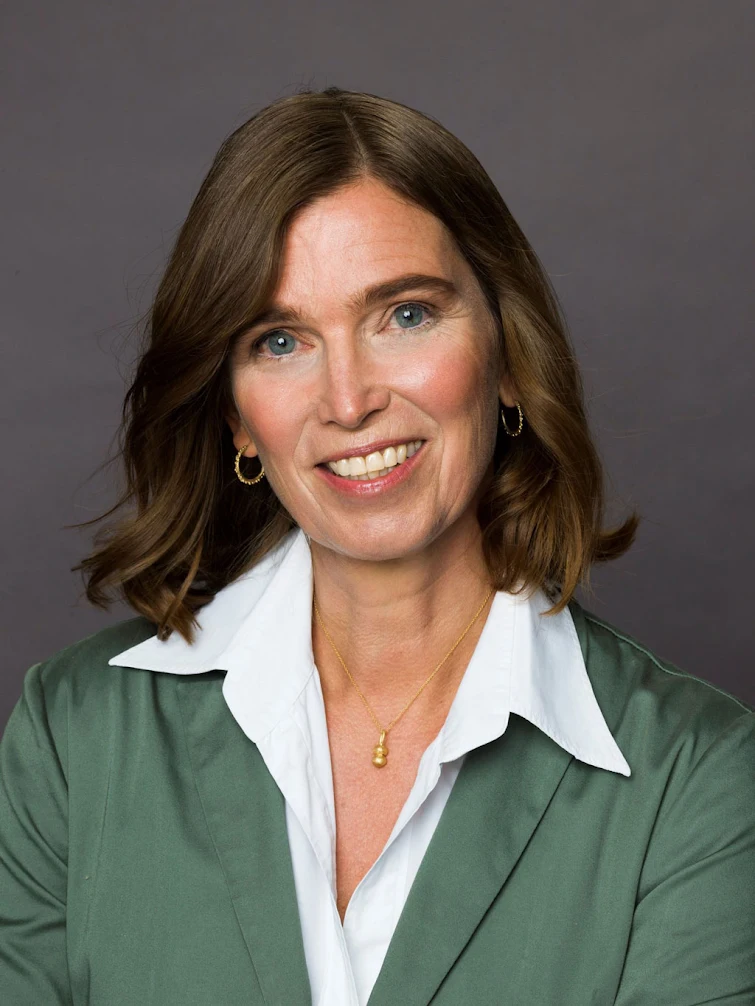
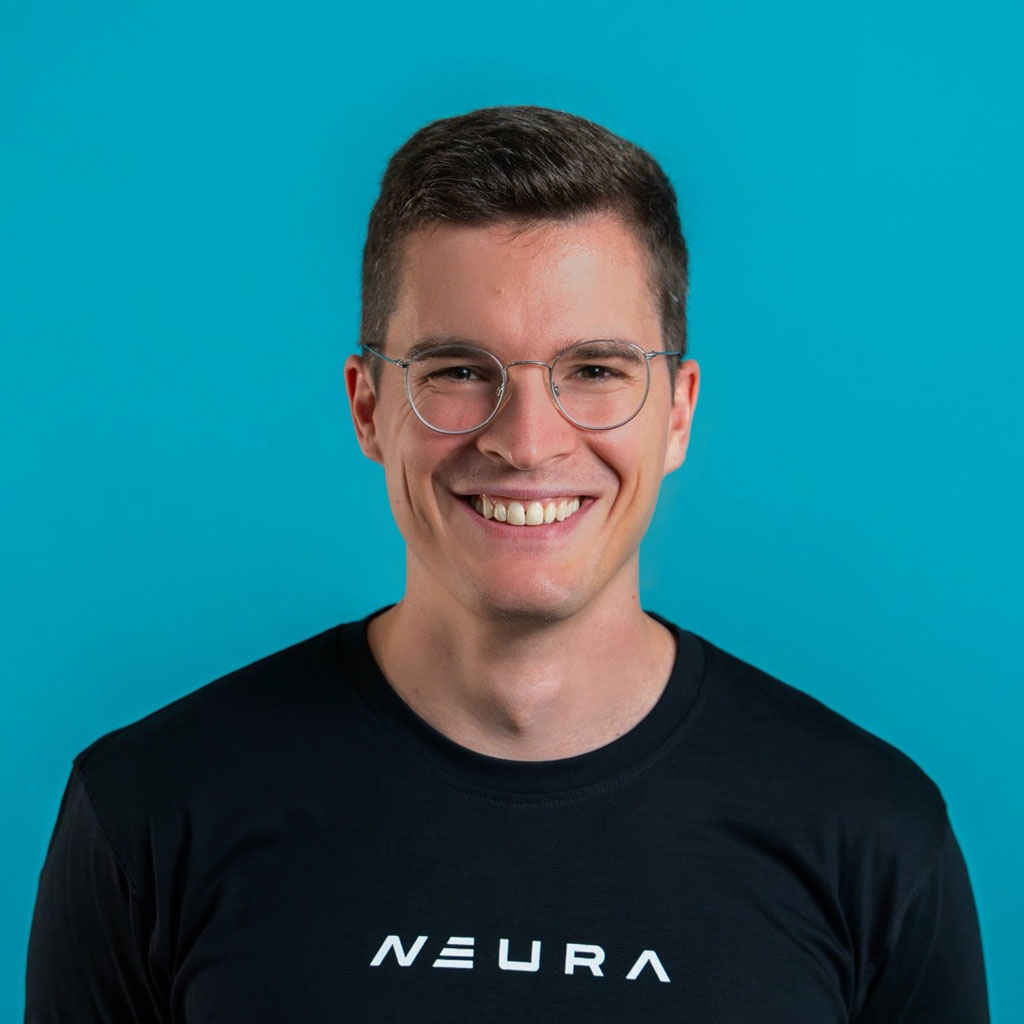
Jonas Messner is the Head of AI at NEURA Robotics, one of the leading cognitive robotics companies based in Metzingen. He is responsible for the company’s AI development and brings many years of experience across the entire AI value chain, from data collection and training to the production deployment of AI models.

Prior to his time at NEURA Robotics, he worked for several years at Bosch, where he successfully brought various AI-based products into series production. He holds a Master of Science in Electrical Engineering with a focus on Machine Learning from Stanford University.

Marc Bürkle is a serial tech entrepreneur, global innovation executive, and Director of AI Triangle – the cross-border AI cluster connecting Baden-Württemberg, Bavaria, and Switzerland to accelerate frontier research into high-growth startups and industrial adoption.
Over the past 20 years, Marc co-founded and scaled two international technology companies with offices across Europe, the Americas, and Asia. Together with his teams, he delivered high-impact solutions for global market leaders, including Samsung, LG, L’Oréal, 3M, Porsche, Walt Disney, and dm-drogerie markt.
Following the acquisition of his business by Infosys, Marc spent four years on a Global Executive Leadership Team, steering international strategy across AI, MarTech, and corporate innovation.

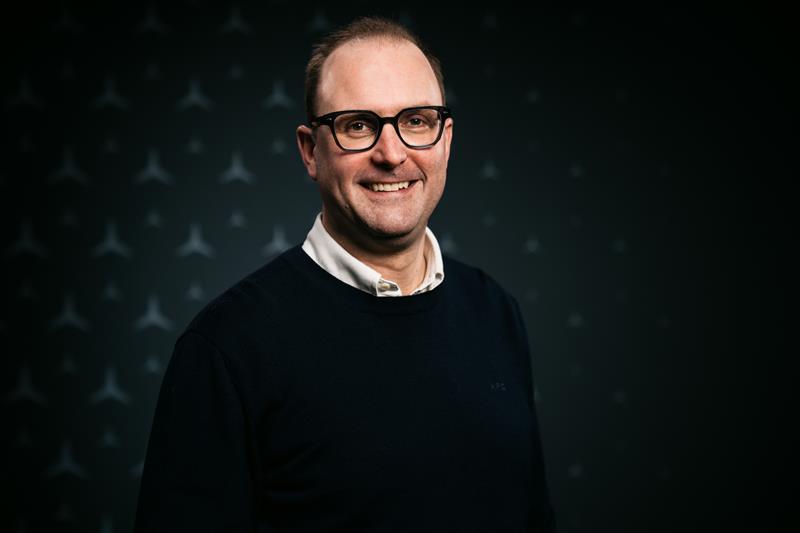
Dr. Fredrik von Bothmer is Director of Operations & Testing within the research and development department of Mercedes-Benz AG with many years of experience at the interface of technology, innovation and the transformation of the automotive industry. His current focus is on the effects of artificial intelligence, robotics and new technologies on logistics, workshops and prototypes as well as their operational implementation.

Dr. Martin May is Director of Innovation at SCHUNK, where he drives the development of forward-looking digital products and services. His work focuses on bridging research and industry, particularly in the fields of data processing, robotics, and machine learning. With a strong background in digital transformation, he develops solutions that address the rapidly evolving demands of industry and foster technological innovation. Dr. May brings extensive experience in translating advanced technical concepts into practical applications that enable growth and industrial innovation.

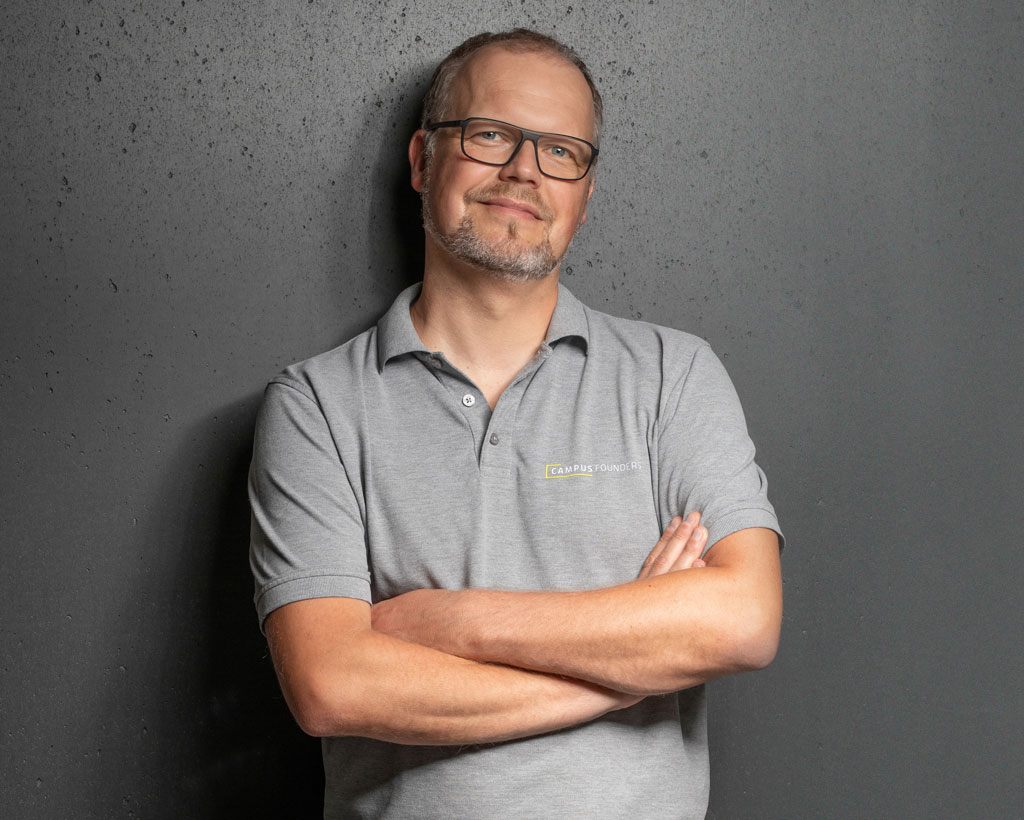
Oliver Hanisch is an experienced entrepreneur, business angel, and the CEO of Campus Founders. He is considered an expert in startups and startup ecosystems, and is a sought-after advisor, mentor, and investor. Oliver Hanisch has founded and sold numerous startups and companies. During his 14 years in Silicon Valley, he co-founded the German Accelerator, among other ventures. Since 2019, he has led Campus Founders with the vision of creating a center of gravity for entrepreneurship and co-innovation with international appeal in Heilbronn.
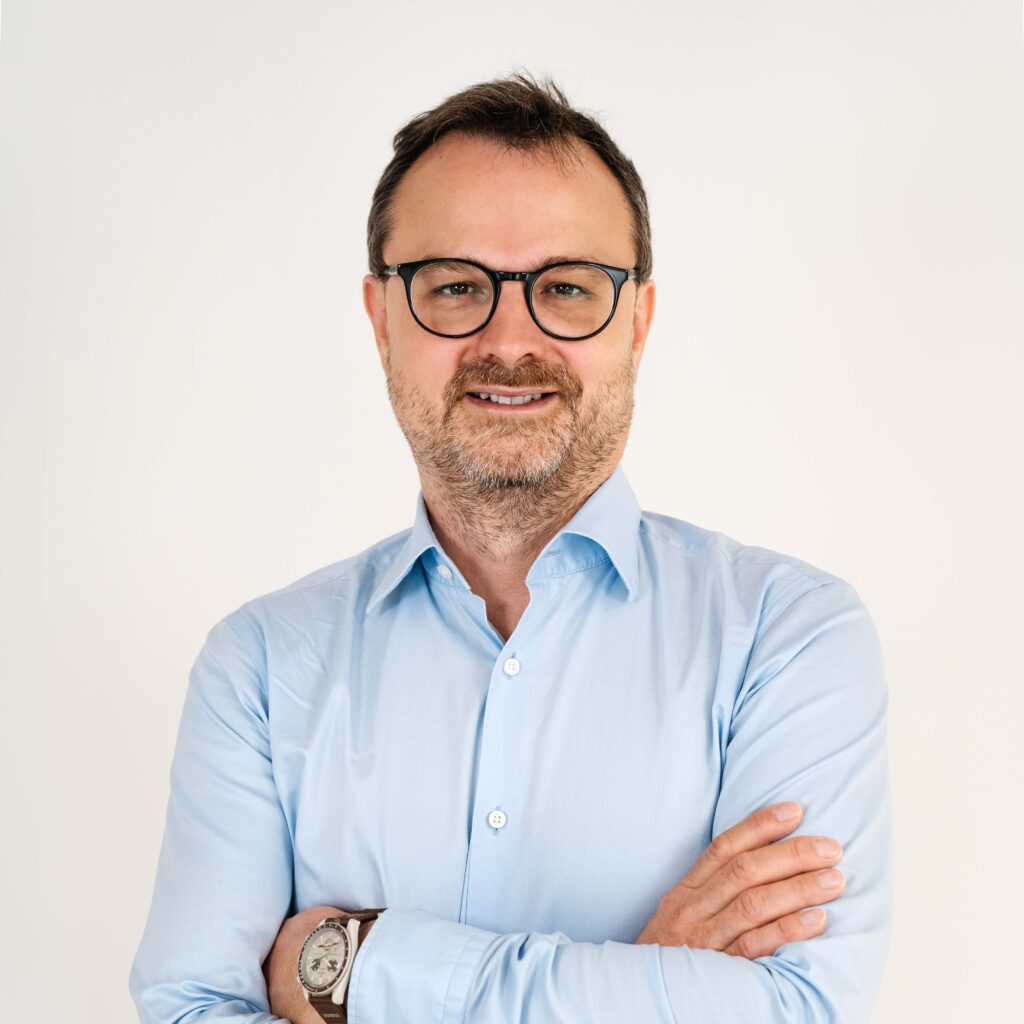
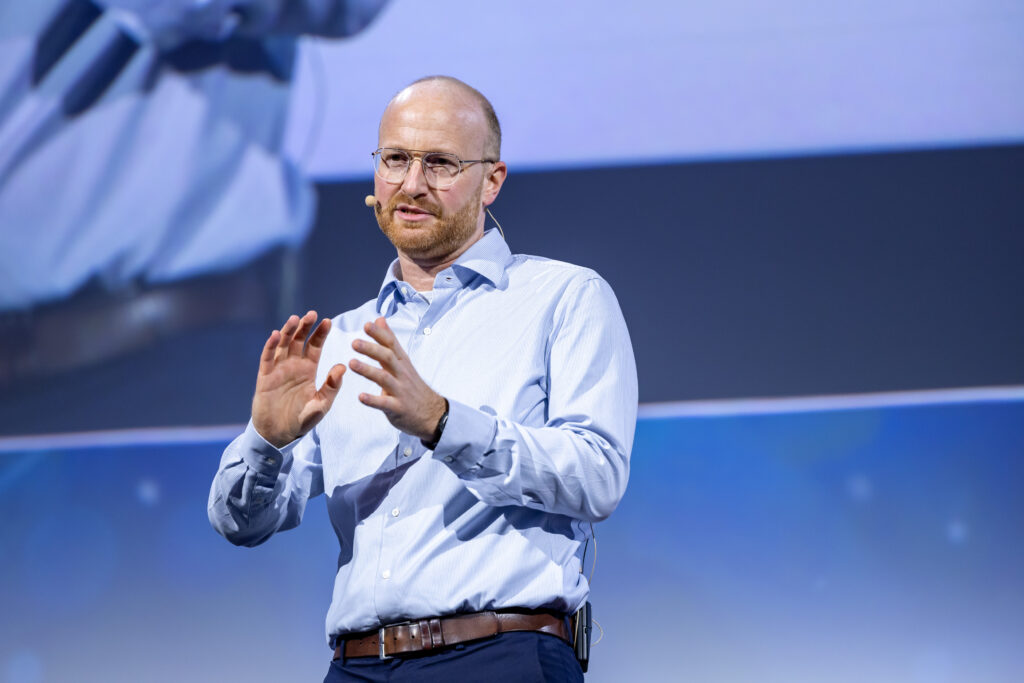
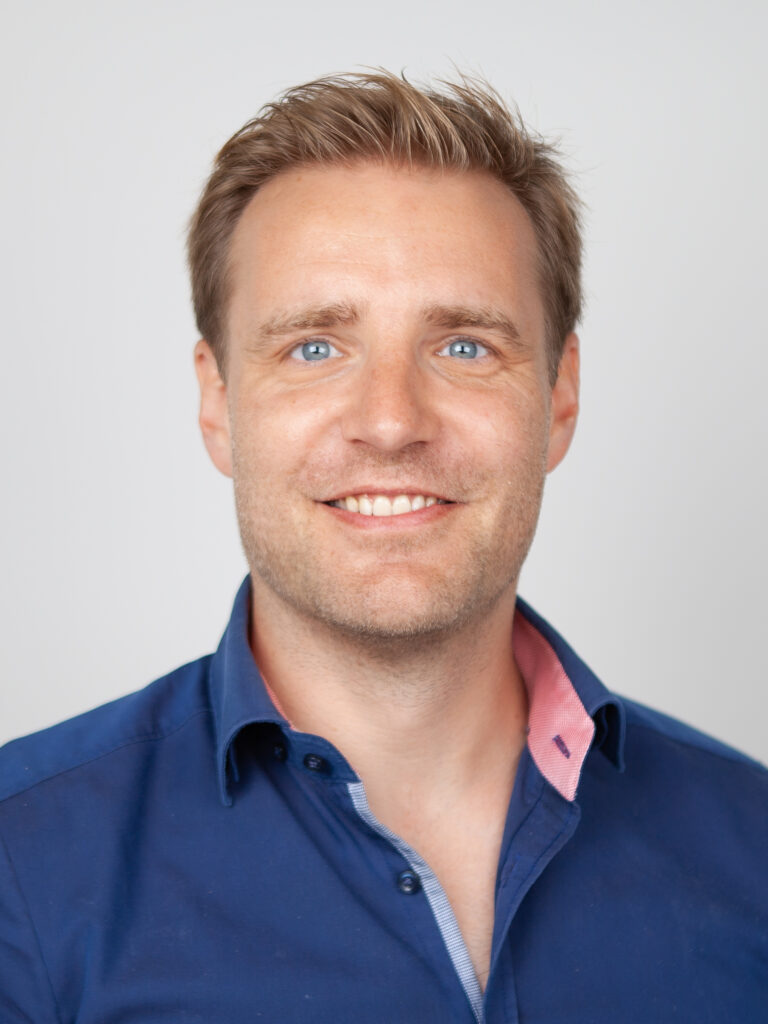
Jürgen Müller is CEO of Robert Bosch Robotics GmbH and is responsible for the development and scaling of new robotics business areas at Bosch. With more than 15 years of experience in automated driving and extensive expertise in developing and scaling innovative technologies, he brings in-depth experience at the interface of technology, business development and industrial application. As an entrepreneur and experienced leader, he drives strategic partnerships to transform new robotic technologies into scalable applications.

Yasser Jadidi has been Chief Research Officer at Aleph Alpha Research since the beginning of 2024, where he drives forward-looking AI research, model development and innovative software solutions. Previously, he headed AI research at AWS in Tübingen and founded the Bosch Center for Artificial Intelligence, where he was responsible for applied AI research. He has a degree in mathematics and a doctorate in control engineering from the University of Stuttgart and the Swiss Federal Institute of Technology in Zurich.

Katharina Hopp knows leadership and change from many years in international leadership roles. In doing so, she has experienced how strongly structures, decision-making processes and management culture determine who gets opportunities and who does not. Today she works as an executive and interim manager in medium-sized companies and is involved as an advisory board member and mentor. In the fireside chat, she introduces her perspective on what it takes to turn good intentions into real change – and what specific responsibility managers have.

Veronika Eyring is Professor of AI for Climate and Physical Systems at the University of Tübingen and Founding Director of connAIx, the Research School for Applied AI Baden-Württemberg in Heilbronn. Her lab, which is part of connAIx and the Tübingen AI Center, develops hybrid (physics + ML) differentiable Earth system models, causal world models and generative AI for climate and other complex physical systems. She is an ELLIS Fellow, received the Gottfried Wilhelm Leibniz Prize (2021) and the AGU Ambassador Award (2024), and served as Coordinating Lead Author for the IPCC Sixth Assessment Report.

Dr. Volz is an experimental quantum physicist by training whose research has spanned ultracold gases, semiconductor nanostructures, and nanodiamonds.
He is currently building Quandela GmbH, the German branch of the French quantum computing company Quandela; previously, he was a professor in Sydney, Australia, and co-founded the technology start-up Redback Systems.
He brings perspectives from both research and entrepreneurship, with a particular focus on the potential of photonic quantum computing and its interplay with artificial intelligence.

Daniel operates at the intersection of latest AI research, innovation and societal implications, with a particular focus on how this impacts larger systemic changes for society, industry sectors and geopolitics. With a background in mechanical and industrial engineering from ETH and MIT, he brings extensive experience in the buildup of and investment in early stage companies across multiple sectors. He supports BoDs in navigating AI-driven changes and advises companies and governmental organizations on strategic use of AI. Daniel is also lecturer at University of Zurich’s Executive Education program and Topic Lead of Switzerland’s AI Action plan for World-Class Research & Innovation.

Michael Stoebe holds a doctorate in particle physics (PhD, McGill University, Canada) and has been Director of the Business Fields at Fraunhofer IAF since this year. Since 2024, he has also been responsible for the quantum components business area. Prior to this, he gained extensive industrial experience as Head of Product at Pyramid Computer GmbH and as Head of the VHF Generators product line at Trumpf Hüttinger. His career combines excellent research skills with application-oriented product development, thus driving innovation in quantum research and microelectronics.

Dr. Volz is an experimental quantum physicist by training whose research has spanned ultracold gases, semiconductor nanostructures, and nanodiamonds.
He is currently building Quandela GmbH, the German branch of the French quantum computing company Quandela; previously, he was a professor in Sydney, Australia, and co-founded the technology start-up Redback Systems.
He brings perspectives from both research and entrepreneurship, with a particular focus on the potential of photonic quantum computing and its interplay with artificial intelligence.

Daniel operates at the intersection of latest AI research, innovation and societal implications, with a particular focus on how this impacts larger systemic changes for society, industry sectors and geopolitics. With a background in mechanical and industrial engineering from ETH and MIT, he brings extensive experience in the buildup of and investment in early stage companies across multiple sectors. He supports BoDs in navigating AI-driven changes and advises companies and governmental organizations on strategic use of AI. Daniel is also lecturer at University of Zurich’s Executive Education program and Topic Lead of Switzerland’s AI Action plan for World-Class Research & Innovation.

MODERATORS

Britta
Weddeling
IPAI

Claudio
Weck

IPAI

Laura
Terberl

Süddeutsche Zeitung

Veronika
Prochazka
IPAI

Jana
Strattner

IPAI

Carolin
Späth

IPAI

Sofia
Willhauk
IPAI

Sirid
Böhm
IPAI

Florian
Beier

IPAI